Marine conservation through the empowerment of coastal fishing communities in Peru
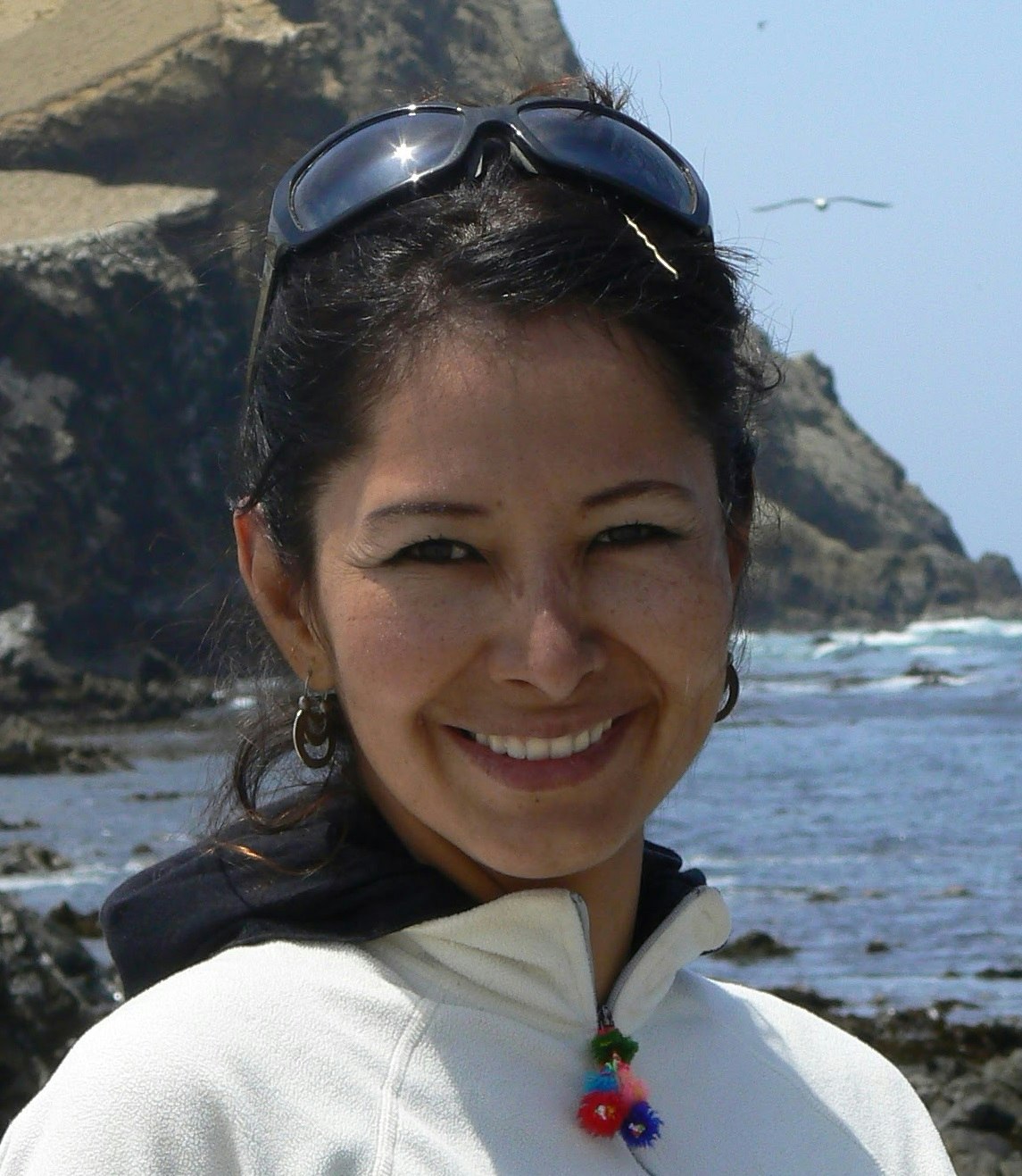
Peruvian biologist Joanna Alfaro-Shigueto is Co-Founder and President of ProDelphinus, an NGO working with small-scale fishermen to conserve marine wildlife whilst enhancing fishery sustainability and improving local livelihoods.

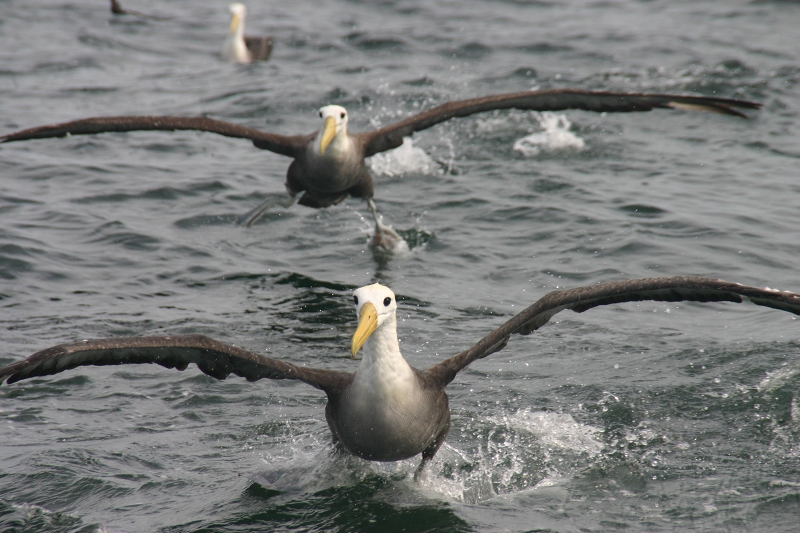
Some of the most productive ocean ecosystems in the world are located off Peru’s 3,000 km Pacific coastline and are home to endangered marine species, including migratory turtles, whales and dolphins, sharks rays, and sea birds. The great productivity of Peru’s waters also means that they support some of the largest fisheries on the planet. These include huge industrial fleets as well as high numbers of small-scale artisanal fishermen operating from remote villages, who are dependent on the ocean as a vital source of food and income. As Joanna explains, “In these small villages almost 100% of the inhabitants make their living related to fisheries, especially given that agricultural activities are limited due to the desert nature of the Peruvian coastline.” With so many people making use of marine resources, unwanted side effects such as accidental by-catch of non-target species, are having an increasingly negative impact on wildlife and the coastal environment.

Since 2001 Joanna has focussed on gaining a better understanding of the effects of Peru’s small-scale fisheries on threatened marine species and has begun implementing solutions to reduce their impact. Using the findings of her research as a basis for action, Joanna is working with coastal communities to introduce more sustainable and efficient fishing methods, using specialised gear that helps to reduce by-catch and decrease harm to non-target marine fauna.
By raising awareness of the important role many endangered species play in maintaining healthy marine ecosystems, and therefore healthy fish stocks, Joanna is also changing behaviour; “There are sites where we have worked where some families have now stopped retaining sea turtles for food and trade and are now releasing them back into the ocean if they are caught in their nets.”

Joanna and her team are currently aiming to create improved markets for sustainably caught fish by linking catches with Peruvian restaurants, with the potential to make environmentally friendly practices more profitable for local people.

Joanna’s grass-roots approach Joanna has gained the support of coastal communities and is uniting fishermen to form associations for promoting and implementing sustainable practices along Peru’s coast. “I have observed that the new generations of fishermen are more organized and I think that will be a great boost for this project, to target this new generation of entrepreneurial fishermen interested in working in sustainable fisheries.”
By empowering those who rely on the ocean with the skills and resources needed to secure their own long-term food and livelihood security, Joanna is also ensuring a safe environment for the threatened species that are critical to the ecosystem.
2021 continuation funding
£40,000 over one year
Netting Together Fishing Communities to Conserve the Eastern Pacific Leatherback Sea Turtle in Peru
The eastern Pacific leatherback sea turtle is Critically Endangered: only 250 females nest each year. A keystone species, they feed on predators of juvenile fish and are therefore vital to maintaining the fish stocks relied on by coastal communities of Peru.

However, their coexistence with fishers is threatened by bycatch mortality. Joanna will scale up her successful mitigation strategy in San José – a village home to the nation’s second largest fleet of small-scale fishers. Joanna’s training has led to an increase in the number of live turtles released by fishers after being accidentally captured, and her new project will extend these efforts to a further five northern ports. Joanna and her NGO, ProDelphinus, aim to train 80% of people in safe handling and release techniques, which will equip 398 vessels with the skills to help turtles survive, after which she will tag and track these magnificent, imperiled reptiles.

2025 continuation funding
Fishery bycatch is the most significant anthropogenic source of injury and mortality affecting marine turtles. In the southeast Pacific, the pelagic longline fishery for mahi mahi is one of the largest fleets and sources of marine turtle bycatch, with Peru being the world’s top mahi mahi producer. Two Critically Endangered marine turtles, leatherbacks and loggerheads, are often caught in this fishery, alongside green, hawksbill and olive ridley turtles. .
Research driven by Joanna, a Peruvian biologist, and her team at ProDelphinus, led to the country’s first fisheries management regulation for the mahi mahi small-scale longline fishery in the country. The regulation took effect in 2024 and is focused on reducing the impact on marine turtle populations, requiring that all of the 4,000 vessels in this fleet have at least one person certified in safe handling and release methods aboard all fishing trips.
With Continuation Funding, Joanna will work in collaboration with Peruvian government officials, and assist with the implementation of these new regulations to understand the effect of this certification on fisheries and the reduction of injuries of captured turtles. Building on the 1,800 fishers who have already received training, Joanna plans to target 1,000 vessels over the course of one year and train an additional 1,000 fishers in safe turtle release as well as equip a minimum of 200 vessels with tools to release turtles.


