
In the misty Darjeeling Hills, wetland degradation is threatening the last stronghold of the elusive and rare Himalayan salamander. Through a community stewardship model, Barkha and NGO Federation of Societies for Environmental Protection will restore critical wetlands, monitor salamander breeding populations and engage stakeholders to better protect this unique landscape.
LIVING FOSSIL UNDER THREAT
The Himalayan salamander is a rare and evolutionarily distinct amphibian restricted to the Eastern Himalayas. Once widely distributed across Darjeeling’s cool, shaded wetlands and forest fringes, today, the species is confined to pockets of habitat in the Darjeeling hills in India, Ilam district of Nepal, and western Bhutan. In an area where water bodies are culturally associated with local deities, rituals, and a strong sense of identity, some concerned community members were already trying to protect the species. However, rapid environmental degradation, unplanned development and unregulated tourism is converting the fragile wetlands into concrete jungles and polluted waterways.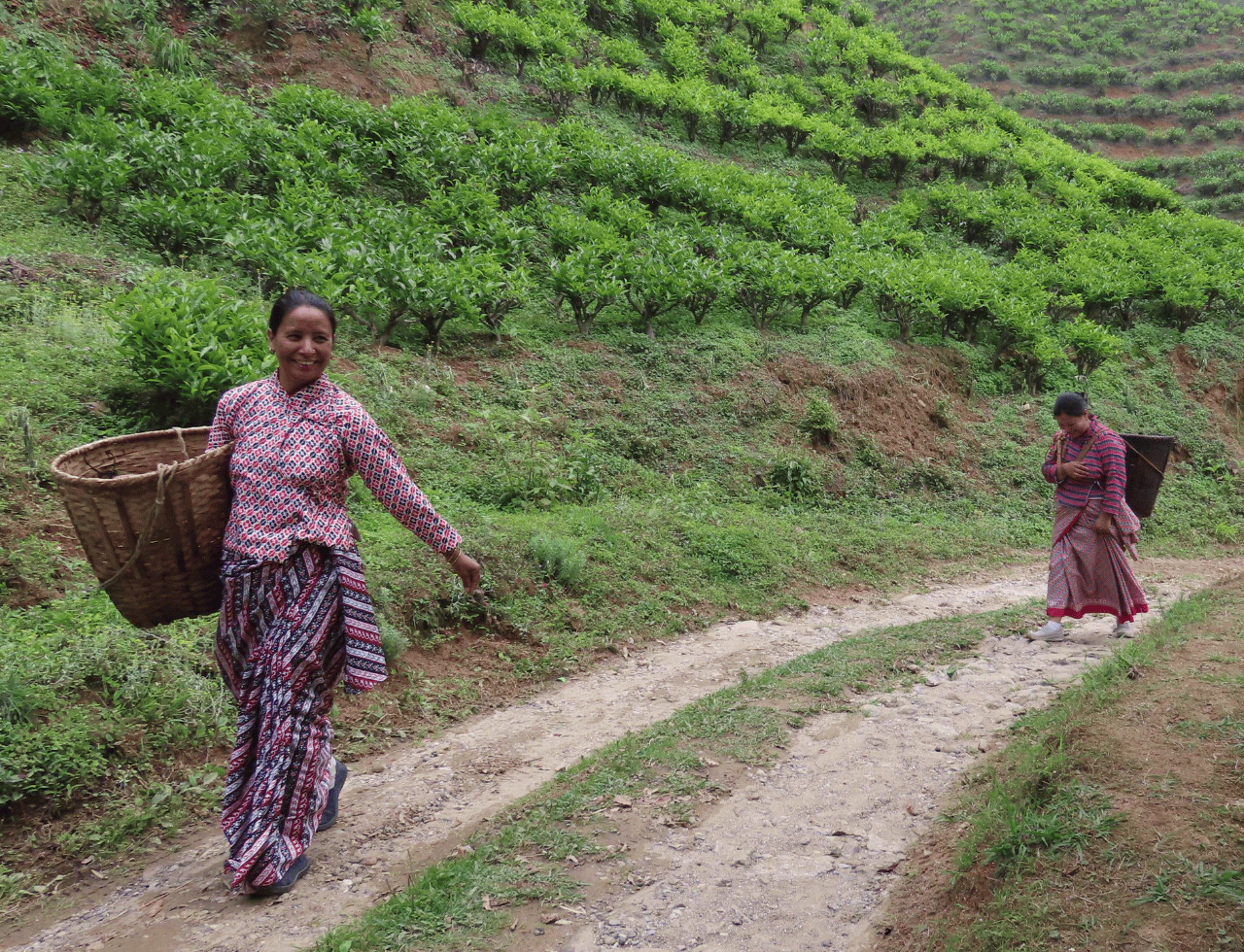
CRITICAL BREEDING HABITATS
Salamanders return to their natal site to reproduce making them highly vulnerable to changing ecosystems. From just 30 breeding sites for the salamander in Darjeeling, with some of these already lost, Barkha and team will focus on seven of the most critical. As well as being wildlife refuges, these sites are important catchment areas, providing freshwater to downstream communities linking ecosystem health with local livelihoods. With this award, the team will restore these wetlands, creating optimal conditions for salamander reproduction while ensuring the wetlands function to support communities. Salamander health screening will provide ongoing disease surveillance of chytrid fungus – a devastating amphibian disease that has led to the decline of over 500 species and the global extinction of 90 of them – and give the team a chance to respond to any outbreaks.
COMMUNITY OWNERSHIP
Born into an Indigenous community in Darjeeling, Barkha knows first-hand the importance of raising female and Indigenous voices in conservation. By involving 200 individuals, including tea garden workers, youth and local leaders, Barkha will support the community ownership over local conservation practices. Engagement with tea estates, often containing small remnant forest patches, are vital to salamander conservation. Women from tea estates will be trained in eco-tourism and restoration techniques supporting both conservation and their livelihoods. Barkha’ s vision is to create a self-sustaining network of healthy, interconnected habitats across all remaining salamander habitats managed collaboratively by communities, the government, and tea estates – a bright future for these small amphibians.
With the Whitley Award, BARKHA and her team will:
- Restore seven salamander breeding sites through removing invasive species, re-establishing native vegetation and rehabilitating wetlands
- Monitor the presence of chytrid fungus, an amphibian disease, to assess emerging threats
- Promote salamander and freshwater protection and build capacity among 200+ community members, tea garden managers, and school students
- Develop a Conservation Action Plan for the Himalayan salamander
“By consuming responsibly and supporting conservation, you become part of protecting species you may never see. Consume less, respect nature, and support leaders who protect it.”
Image credits: Anirban Datta Roy (Banner) Bhaskar Chettri (Community planting event)


